


Starting off with Office Fit Out Companies: Designing for Diversity and Inclusive Workspaces, this opening paragraph aims to engage readers and provide an intriguing overview of the topic.
The following paragraph will delve into detailed information about the topic.
Importance of Diversity in Office Fit Outs
Diversity in office fit outs plays a crucial role in creating a welcoming and inclusive workspace for all employees. By incorporating diverse design elements, companies can foster a sense of belonging and promote collaboration among team members.Benefits of Diverse Workspaces
- Increased creativity and innovation: Diverse workspaces encourage different perspectives and ideas, leading to more innovative solutions to challenges.
- Improved employee satisfaction: When employees feel represented and valued in the workplace design, their overall satisfaction and productivity increase.
- Enhanced problem-solving abilities: Having a diverse team means having access to a wider range of problem-solving skills and approaches.
Inclusive Design Features
- Adjustable workstations: Providing adjustable desks and chairs accommodate employees of different heights and physical abilities.
- Diverse seating options: Including a variety of seating options such as standing desks, ergonomic chairs, and communal spaces cater to different work preferences.
- Dedicated quiet areas: Creating quiet zones for employees who prefer a more peaceful work environment can help improve focus and productivity.
Designing Inclusive Workspaces
Creating a workspace that accommodates different physical abilities is essential to promoting inclusivity and diversity in the office environment. By considering the needs of all employees, regardless of their physical abilities, companies can create a more welcoming and supportive workplace.Role of Color Schemes and Lighting
Color schemes and lighting play a crucial role in promoting inclusivity in the workspace. Bright, well-lit areas can help individuals with visual impairments navigate the space more easily. Additionally, using a variety of colors can create a more stimulating environment for employees with cognitive disabilities. It is important to strike a balance between aesthetics and functionality to ensure that the workspace is welcoming to all.Examples of Furniture Arrangements
- Adjustable desks and chairs: Providing furniture that can be easily adjusted to accommodate different heights and preferences is key to promoting inclusivity. - Open layout design: Opting for an open layout design can enhance inclusiveness by promoting collaboration and communication among employees of all abilities. - Quiet zones: Creating designated quiet zones within the workspace can benefit employees who require a quieter environment to focus and be productive.Technology Integration for Inclusive Workplaces
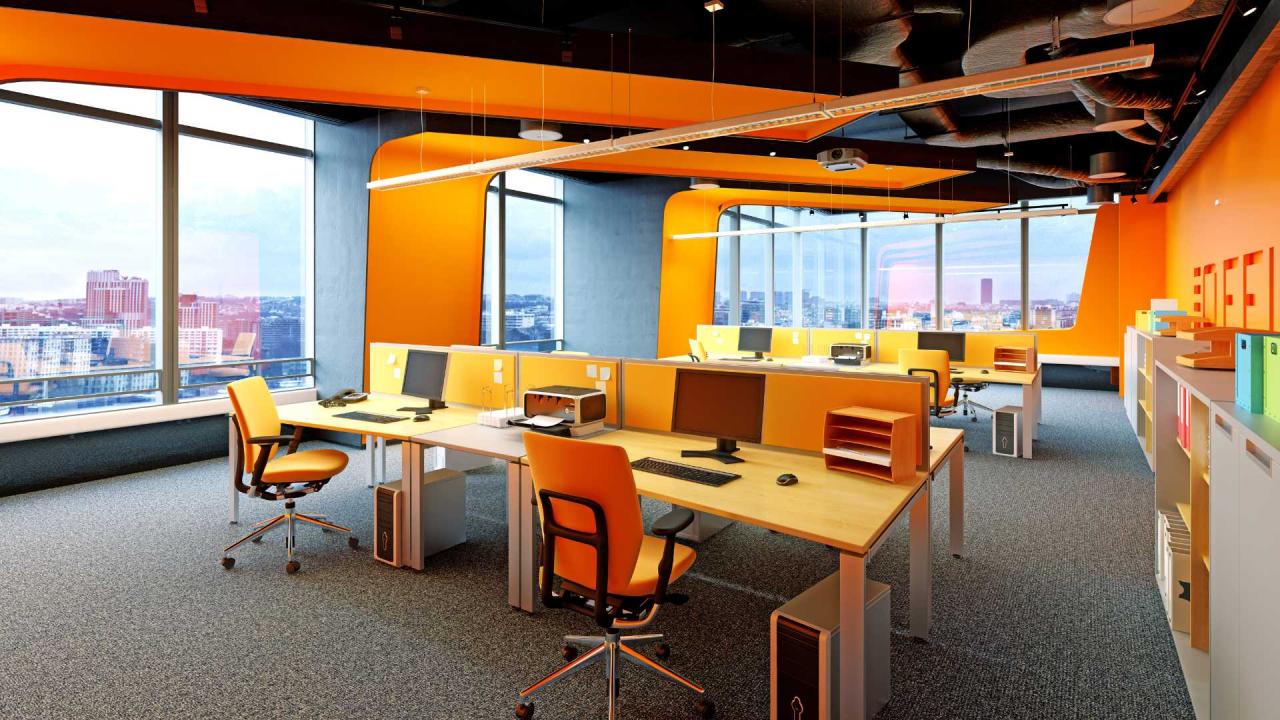
In today's modern work environment, technology plays a crucial role in creating inclusive spaces that cater to the diverse needs of employees.
Leveraging Technology for Accessibility
Technology can be leveraged to provide accessibility solutions for employees with disabilities, such as screen readers, voice recognition software, and adjustable computer settings.
Software and Tools for Inclusivity
There are a variety of software and tools available that facilitate accessibility for all employees, including communication apps for remote workers, collaboration platforms for team interactions, and ergonomic tools for physical comfort.
Importance of Flexible Technology Solutions
Flexible technology solutions are essential in promoting diversity within the workplace by accommodating different work styles, preferences, and needs of employees. This can include offering a variety of devices, software options, and communication channels to ensure everyone can work efficiently and comfortably.
Collaborative Spaces for Diverse Teams
Creating collaborative spaces in the office is essential to encourage teamwork and communication among employees from diverse backgrounds. By designing inclusive shared areas, companies can foster creativity and inclusivity within the workplace. Open layouts play a crucial role in promoting interaction and collaboration in a diverse environment.Design Elements for Collaboration
- Flexible Furniture Arrangements: Incorporating movable furniture allows employees to customize their workspace based on their needs, promoting collaboration and adaptability.
- Dedicated Meeting Areas: Designing meeting rooms or casual meeting spaces where employees can gather for discussions and brainstorming sessions enhances teamwork among diverse teams.
- Natural Light and Greenery: Integrating elements like natural light and indoor plants can create a calming and inspiring environment that stimulates creativity and collaboration.
Examples of Collaborative Spaces
- Collaboration Pods: Small, enclosed pods equipped with technology for impromptu meetings or discussions can facilitate quick collaborations among team members.
- Open Lounge Areas: Comfortable lounge spaces with casual seating arrangements provide a relaxed setting for employees to interact and share ideas.
- Collaborative Workstations: Shared workstations with ample desk space encourage team members to work together on projects, fostering a sense of unity and collaboration.
Benefits of Open Layouts
- Improved Communication: Open layouts eliminate physical barriers, making it easier for employees to communicate and collaborate with colleagues from different backgrounds.
- Enhanced Teamwork: The visibility and accessibility of team members in an open layout promote spontaneous interactions and teamwork, leading to increased productivity and innovation.
- Cross-Functional Collaboration: Open layouts allow employees from various departments to work closely together, fostering cross-functional collaboration and a sense of unity within the organization.
Wrap-Up
Concluding with a summary and final thoughts on the discussion in an engaging manner.
Q&A
How important is diversity in office design?
Diversity in office design is crucial as it promotes creativity, innovation, and a sense of belonging among employees.
What role do color schemes play in promoting inclusivity?
Color schemes can affect mood and productivity, so choosing inclusive colors can create a welcoming environment for all.
How can technology be leveraged to create inclusive work environments?
Technology can provide accessibility solutions for employees with different needs, promoting inclusivity in the workplace.