


Exploring the role of BIM Technology in construction projects, this article dives into how RWE Design Build utilizes this innovative technology to ensure error-free construction processes. The use of BIM technology has revolutionized the way construction errors are prevented, leading to more efficient and cost-effective projects.
In the following sections, we will delve into the key features of BIM technology, its implementation in RWE Design Build projects, a comparison with traditional methods, and the importance of training for successful adoption.
Importance of BIM Technology in Construction
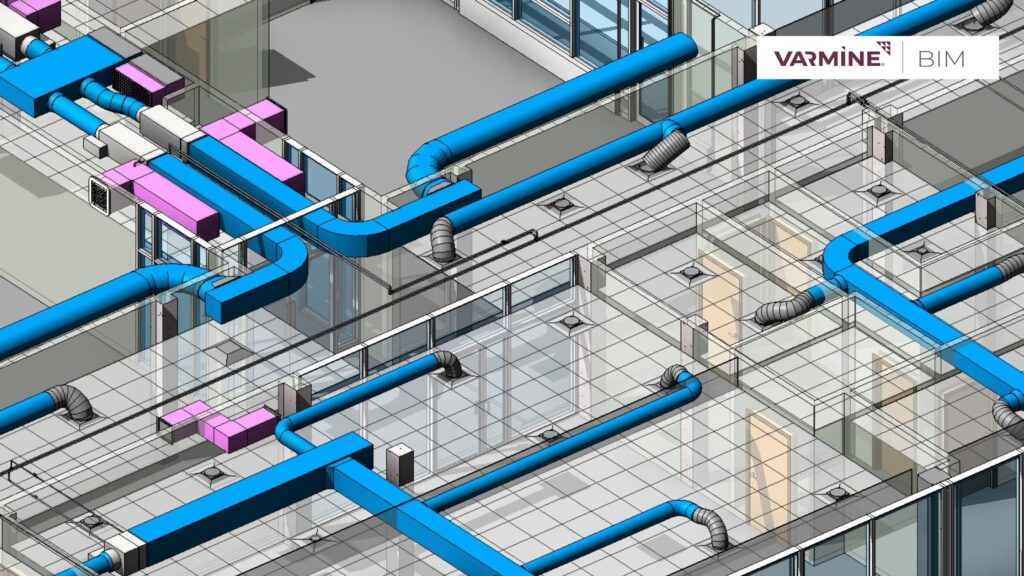 BIM (Building Information Modeling) technology plays a crucial role in preventing errors in construction projects by providing a detailed digital representation of the building process. This advanced technology allows for better coordination, visualization, and communication among all stakeholders involved in the project, ultimately leading to improved efficiency and accuracy.
Key Features of BIM Technology
- BIM enables 3D modeling, which helps in visualizing the entire project and identifying potential clashes or errors before construction begins.
- Collaboration is enhanced through BIM, allowing different teams to work together in real-time on a shared platform, reducing miscommunication and conflicts.
- BIM technology facilitates accurate quantity take-offs and cost estimation, minimizing the chances of budget overruns due to errors.
- Integration of scheduling and sequencing information in BIM helps in optimizing construction timelines and avoiding delays.
- BIM allows for the analysis of various design options and their impact on the overall project, leading to better decision-making and risk management.
Real-World Examples of BIM Technology Success
One notable example is the Shard in London, where BIM technology was used extensively to coordinate the design and construction of this iconic skyscraper. The detailed 3D model helped in identifying and resolving clashes between various building elements, leading to the successful completion of the project within the scheduled timeframe.
Another example is the Denver International Airport expansion project, where BIM technology was utilized to optimize the construction process and prevent errors. The digital collaboration platform allowed for seamless coordination among different teams, resulting in a smoother construction workflow and improved project outcomes.
Implementation of BIM in RWE Design Build Projects
RWE Design Build has seamlessly integrated BIM technology into their construction projects, revolutionizing the way they plan, design, and execute their builds.
Process of Integrating BIM Technology
From the initial planning stages to the final construction phases, BIM technology plays a crucial role in ensuring project success at RWE Design Build.
- During the planning phase, BIM is used to create detailed 3D models of the project, allowing for better visualization and coordination among stakeholders.
- As the design progresses, BIM helps in detecting clashes or conflicts in the design, enabling timely resolution before construction begins.
- During the construction phase, BIM is utilized for accurate quantity take-offs, scheduling, and sequencing of tasks, resulting in improved project efficiency.
- Post-construction, BIM models serve as valuable as-built documentation for facility management and future renovations.
Benefits of Using BIM Technology
RWE Design Build has reaped numerous benefits from incorporating BIM technology into their projects, primarily in error prevention and cost savings.
- Improved coordination among project teams, reducing the likelihood of conflicts and errors during construction.
- Enhanced visualization of the project, leading to better decision-making and optimized designs.
- Cost savings due to early detection of clashes, reducing rework and change orders.
- Increased project efficiency and on-time delivery, thanks to better planning and scheduling facilitated by BIM technology.
Comparison of Traditional Methods vs. BIM Technology
When comparing traditional construction methods with the utilization of Building Information Modeling (BIM) technology, significant differences emerge in terms of error prevention, efficiency, and cost savings.
Differences in Error Prevention
Traditional construction methods often rely on manual processes and two-dimensional drawings, which can lead to misinterpretations, errors, and clashes during the construction phase. On the other hand, BIM technology allows for the creation of a digital 3D model that integrates all aspects of the building design, enabling clash detection and resolution before construction begins. This proactive approach significantly reduces the likelihood of errors and rework on-site.
Challenges Faced by Construction Companies without BIM
- Inefficient communication and coordination among project stakeholders due to disparate information sources.
- Lack of real-time updates and revisions to design changes, leading to delays and errors.
- Difficulty in visualizing the final outcome and detecting clashes between different building systems.
Efficiency Improvements and Cost Savings with BIM
- BIM technology streamlines the design process, improves collaboration, and enhances communication between teams, resulting in faster project delivery.
- By detecting clashes early on and simulating construction sequences, BIM reduces rework, material wastage, and overall project costs.
- The ability to generate accurate quantity takeoffs and cost estimates leads to better budget control and cost savings throughout the project lifecycle.
Training and Skill Development for BIM Technology
Training and skill development are crucial for construction professionals to effectively utilize BIM technology. By upskilling employees, companies like RWE Design Build can leverage BIM technology to prevent errors and improve project outcomes.Investing in Employee Training
RWE Design Build prioritizes training its workforce in BIM technology through structured programs and workshops. These initiatives focus on teaching employees how to effectively use BIM software for accurate project planning, coordination, and execution.- Employees are trained on the fundamentals of BIM technology, including 3D modeling, clash detection, and virtual construction simulations.
- Specialized training modules are designed to enhance employees' proficiency in using BIM tools for error prevention and project optimization.
- RWE Design Build provides continuous learning opportunities to ensure that employees stay updated with the latest advancements in BIM technology.
Last Recap
In conclusion, RWE Design Build's commitment to using BIM technology has not only enhanced the quality of their construction projects but also set a new standard for error prevention in the industry. By embracing this technology, they have demonstrated how innovation can lead to significant improvements in efficiency and accuracy.
User Queries
How does BIM technology help prevent errors in construction projects?
BIM technology allows for better visualization, coordination, and communication among project stakeholders, reducing the likelihood of errors during construction.
What are the key features of BIM technology that contribute to error prevention?
Key features include 3D modeling, clash detection, data integration, and collaborative workflows that streamline the construction process and minimize errors.
How does RWE Design Build incorporate BIM technology into their construction projects?
RWE Design Build integrates BIM technology from the initial design phase to project completion, ensuring all stakeholders are on the same page and errors are minimized.
What are the challenges faced by construction companies when not using BIM technology?
Without BIM technology, construction companies may struggle with coordination issues, inefficient communication, and a higher risk of errors leading to costly rework.
How important is training for construction professionals to effectively use BIM technology?
Training is crucial to help professionals understand the capabilities of BIM technology and leverage its full potential for error prevention and project efficiency.