


Embark on the journey of DIY Kitchens Renovation with this step-by-step guide to replacing countertops. Discover the importance of this aspect in kitchen remodeling, the benefits of a DIY approach, and the significance of thorough planning before diving into the project.
Introduction to DIY Kitchen Renovation
When it comes to renovating a kitchen, replacing countertops is a significant aspect that can completely transform the look and feel of the space. Countertops play a crucial role in both functionality and aesthetics, making them a key element to consider when upgrading your kitchen.
There are several benefits to taking a do-it-yourself (DIY) approach to kitchen renovation. Not only can it be a cost-effective option, but it also allows you to have full control over the design and execution of the project. DIY renovations can be a rewarding experience that adds a personal touch to your kitchen space.
Importance of Planning
Before diving into a kitchen renovation project, it is essential to plan ahead. Proper planning helps to ensure that the renovation process runs smoothly and efficiently. By carefully considering factors such as budget, design preferences, and timeline, you can set realistic goals and expectations for your renovation project.
Choosing the Right Countertop Material
When renovating your kitchen, choosing the right countertop material is crucial for both functionality and aesthetics. There are several popular countertop materials available, each with its own unique characteristics and benefits.Granite Countertops
Granite countertops are a popular choice for kitchens due to their durability and natural beauty. They are resistant to heat, scratches, and stains, making them a practical option for a busy kitchen. While granite countertops can be more expensive than other materials, their longevity and timeless appeal make them a worthwhile investment.Quartz Countertops
Quartz countertops are engineered stone surfaces that are non-porous and highly resistant to stains and bacteria. They require minimal maintenance and come in a wide range of colors and patterns to suit any kitchen design. Although quartz countertops can be more expensive upfront, their durability and low maintenance make them a cost-effective choice in the long run.Laminate Countertops
Laminate countertops are a budget-friendly option that offers a variety of colors and patterns to choose from. While laminate countertops are not as durable as natural stone or quartz, they are easy to clean and can withstand everyday use. They are a great choice for those looking for an affordable countertop solution without compromising on style.Marble Countertops
Marble countertops are known for their luxurious appearance and unique veining patterns. While marble is a softer and more porous material compared to granite or quartz, it can add a touch of elegance to any kitchen. However, marble countertops require regular sealing and maintenance to prevent staining and etching.Butcher Block Countertops
Butcher block countertops are made from wood, adding warmth and natural texture to a kitchen. They are durable and can be sanded and refinished to remove any scratches or stains. However, butcher block countertops require regular oiling and maintenance to keep them looking their best.Tools and Materials Needed
When replacing countertops in your kitchen, it is essential to have the right tools and materials to ensure a smooth and successful renovation process. Here is a list of the tools and materials you will need:Essential Tools:
- Measuring tape
- Pencil
- Utility knife
- Circular saw or jigsaw
- Power drill
- Screwdriver
- Router (for edge finishing)
- Level
- Clamps
- Caulking gun
Specific Materials:
- New countertop material (e.g., quartz, granite, laminate)
- Countertop adhesive
- Mounting brackets
- Screws
- Edge banding (if applicable)
- Caulk
- Safety goggles
- Gloves
- Dust mask
Preparing the Kitchen for Countertop Replacement
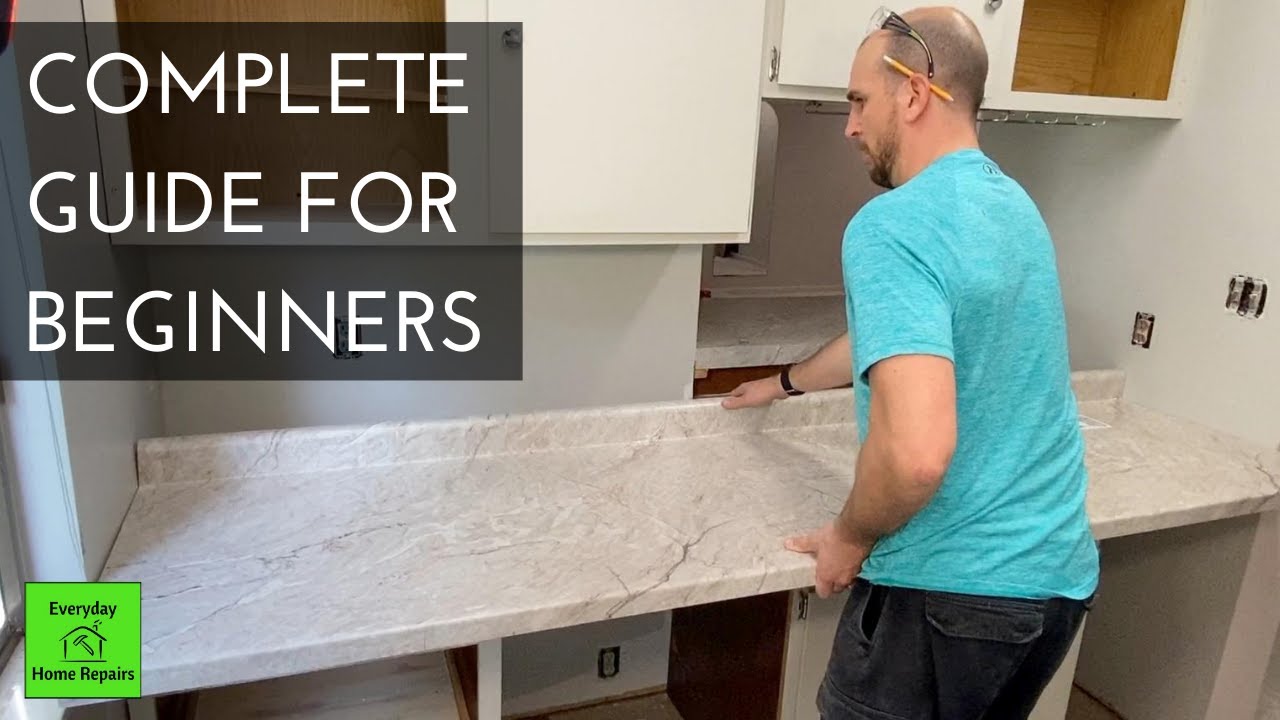 Before beginning the countertop replacement process, it is crucial to properly prepare the kitchen to ensure a smooth and successful renovation.
Removing the Existing Countertops
To safely remove the existing countertops, follow these steps:- Start by turning off the power supply to any appliances connected to the countertops.
- Use a utility knife to cut the caulk or adhesive sealing the countertops to the cabinets.
- Carefully lift the countertops off the cabinets, making sure to have someone assist you if they are heavy.
- Once removed, inspect the cabinets for any damage and make any necessary repairs before installing the new countertops.
Disconnecting Plumbing Fixtures
Before replacing the countertops, it is essential to disconnect any plumbing fixtures to avoid damage and facilitate the installation process:- Turn off the water supply to the sink and disconnect the water lines.
- Remove the sink by loosening the clips or screws holding it in place.
- If you have a garbage disposal unit, disconnect it from the plumbing and electrical supply.
- Cap off any exposed pipes to prevent leaks during the countertop replacement.
Protecting Other Kitchen Elements
During the renovation, it is important to protect other kitchen elements from damage:- Cover the floors and surrounding cabinets with protective materials to prevent scratches or stains.
- Use masking tape to protect walls and backsplashes from debris and scratches.
- Remove any fragile items or decorations from the area to prevent accidental damage.
- Consider covering appliances with plastic sheets to avoid dust and debris accumulation.
Installing the New Countertops
When it comes to installing new countertops in your kitchen, precision is key to ensure a perfect fit and professional finish. This process involves measuring and cutting the countertops to fit the kitchen space, securing them in place, and sealing the edges and seams for a polished look.Measuring and Cutting the Countertops
To begin, measure the dimensions of your kitchen cabinets carefully to determine the size of the new countertops needed. Use a straight edge and pencil to mark the cutting lines on the countertop material. Double-check the measurements before cutting to avoid any errors. Use a circular saw or jigsaw to cut the countertops to the correct size.Securing the Countertops
Once the countertops are cut to size, place them on the cabinets and ensure they fit properly. Use brackets or screws to secure the countertops in place. Make sure to follow the manufacturer's instructions for installation to prevent any issues. Use a level to ensure the countertops are even and adjust as needed.Sealing the Edges and Seams
To achieve a professional finish, seal the edges and seams of the countertops. Apply a bead of silicone caulk along the edges where the countertops meet the walls to prevent moisture from seeping in. Smooth out the caulk with a damp cloth for a clean look. Additionally, use a seam filler to fill any gaps between the countertop pieces and create a seamless appearance.Finishing Touches and Clean-Up
After installing your new countertops, it's important to focus on the finishing touches and clean-up to ensure a polished look and functionality in your kitchen.Applying Finishes or Sealants
Once the countertops are in place, it's time to apply finishes or sealants to protect the surface and enhance its appearance. Make sure to follow the manufacturer's instructions for the specific type of material you have chosen. Apply the finish evenly and allow it to dry completely before using the countertops.
Reinstalling Plumbing Fixtures and Appliances
Reinstalling plumbing fixtures and appliances after countertop installation requires careful attention to ensure everything fits properly. Double-check the connections and make any necessary adjustments to prevent leaks or damage. Test the fixtures and appliances to ensure they are working correctly before completing the installation.
Cleaning Up and Maintaining New Countertops
After the installation is complete, it's essential to clean up the workspace to remove any debris, dust, or leftover materials. Use a mild cleaner or soap and water to clean the new countertops gently. Avoid harsh chemicals or abrasive materials that could damage the surface. To maintain the new countertops, wipe up spills promptly, use cutting boards to prevent scratches, and avoid placing hot pans directly on the surface.
Final Review
As we conclude this insightful discussion on DIY Kitchens Renovation: A Step-by-Step Guide to Replacing Countertops, remember the key points highlighted throughout the process. From choosing the right materials to the finishing touches, this guide equips you with the knowledge to transform your kitchen with confidence.
Common Queries
What are some popular countertop materials for kitchen renovation?
Common choices include granite, quartz, marble, and laminate.
How do I prepare my kitchen for countertop replacement?
Start by safely removing the existing countertops, disconnecting plumbing fixtures, and safeguarding other kitchen elements.
What tools are essential for replacing countertops?
You will need tools like a measuring tape, screwdriver, level, and a saw.