


DIY Kitchens: How to Achieve a Designer Look on a Modest Budget sets the stage for this enthralling narrative, offering readers a glimpse into a story that is rich in detail with casual formal language style and brimming with originality from the outset.
When it comes to transforming your kitchen into a stylish space without breaking the bank, DIY projects can be a game-changer. From innovative design ideas to budget-friendly tips, this guide will walk you through the essentials of achieving a designer look on a modest budget.
Introduction to DIY Kitchens
A DIY kitchen refers to a kitchen that is designed, assembled, and installed by the homeowner themselves, rather than hiring professionals for the entire process. This can include tasks such as cabinet installation, painting, tiling, and other renovations.
There are several benefits to creating a DIY kitchen. First and foremost, it can save a significant amount of money compared to hiring contractors or kitchen designers. DIY projects also allow for more customization and personalization, as homeowners have full control over the design and materials used. Additionally, tackling a DIY kitchen project can be a rewarding experience and a great way to showcase creativity and craftsmanship.
Examples of Popular DIY Kitchen Projects
- Upcycling old cabinets by repainting or refacing them to give them a fresh look.
- Installing open shelving to create a modern and airy feel in the kitchen.
- Adding a tile backsplash for a pop of color and texture.
- Building a kitchen island from scratch using reclaimed wood or other materials.
- Creating a custom pantry organization system to maximize storage space.
Planning Your DIY Kitchen Design
Planning is a crucial step before embarking on a DIY kitchen project. It helps you stay organized, set a budget, and ensure a smooth renovation process. Here are some essential tips to consider when planning your DIY kitchen design:Creating a Budget-Friendly Kitchen Design Plan
Planning your budget is key to achieving a designer look on a modest budget. Here are some tips to help you create a budget-friendly kitchen design plan:- Set a realistic budget: Determine how much you can afford to spend on your kitchen renovation and allocate funds accordingly.
- Prioritize your needs: Identify the must-haves in your kitchen design and allocate a larger portion of your budget to these elements.
- Consider cost-effective materials: Opt for affordable yet durable materials that can give your kitchen a high-end look without breaking the bank.
- DIY where possible: Save on labor costs by taking on certain tasks yourself, such as painting cabinets or installing backsplash tiles.
- Shop smart: Look for sales, discounts, and clearance items to get quality products at a lower price.
Resources for Inspiration in Designing a DIY Kitchen
When planning your DIY kitchen design, it's helpful to gather inspiration from various sources. Here are some resources to spark your creativity:- Home improvement magazines: Browse through design magazines to find inspiration for color schemes, layouts, and kitchen features.
- Online platforms: Explore websites like Pinterest, Houzz, and Instagram for endless ideas and trends in kitchen design.
- Visit showrooms: Take a trip to kitchen showrooms to see different styles and configurations in person for a hands-on experience.
- Consult with professionals: Seek advice from interior designers or kitchen experts for expert guidance and recommendations on design decisions.
Choosing Budget-Friendly Materials
When working on a DIY kitchen renovation, selecting budget-friendly materials is key to achieving a designer look without breaking the bank. By comparing different affordable options for cabinets, countertops, and flooring, you can create a stylish space without overspending.
Affordable Materials for Kitchen Cabinets, Countertops, and Flooring
When it comes to kitchen cabinets, consider options like laminate or thermofoil which mimic the look of wood at a fraction of the cost. For countertops, materials like laminate, butcher block, or even concrete can provide a stylish finish without the high price tag. When choosing flooring, vinyl or laminate options are durable and budget-friendly.
Pros and Cons of Recycled or Upcycled Materials
- Pros:
- Environmentally friendly choice
- Unique and one-of-a-kind look
- Potential cost savings
- Cons:
- Limited availability
- May require additional cleaning or maintenance
- Varied quality and durability
Tips for Finding Cost-Effective Materials
- Check out local salvage yards or architectural salvage stores for discounted materials.
- Keep an eye out for sales at big-box home improvement stores for deals on kitchen essentials.
- Consider shopping online for gently used or surplus items at a fraction of the cost.
Maximizing Space and Storage Solutions
When working with a small kitchen, maximizing space and finding smart storage solutions are essential to achieving a functional and organized layout.
Creative Ideas for Maximizing Space in a Small Kitchen
Small kitchens can benefit from creative solutions to make the most of the available space. Here are some ideas:
- Install shelves above the countertops to store items like spices, cookbooks, or small kitchen appliances.
- Use magnetic strips or hooks to hang utensils, pots, and pans on the walls, freeing up cabinet space.
- Consider a fold-down table or a kitchen island on wheels that can be moved around or tucked away when not in use.
Benefits of Utilizing Vertical Storage Solutions
Vertical storage solutions can help maximize space in a small kitchen by utilizing the often-overlooked vertical space. Here are some benefits:
- Maximizes storage capacity without taking up valuable floor space.
- Creates a visually appealing design element by drawing the eyes upward, making the kitchen feel larger.
- Allows for easy access to frequently used items when stored at eye level.
Tips for Organizing Kitchen Cabinets and Drawers on a Budget
Organizing kitchen cabinets and drawers efficiently can make a big difference in the functionality of your kitchen. Here are some budget-friendly tips:
- Use drawer dividers or inserts to keep utensils, cutlery, and small items organized and easy to find.
- Utilize stackable shelves or risers to maximize vertical space within cabinets for plates, bowls, and mugs.
- Consider installing pull-out shelves or baskets in lower cabinets to make it easier to access items at the back without having to reach or bend down.
Adding Designer Touches on a Modest Budget
When it comes to achieving a designer look in your DIY kitchen without overspending, paying attention to certain details can make a significant difference. Lighting, trendy design elements, and high-end hardware and fixtures play crucial roles in elevating the overall aesthetic without breaking the bank.
Importance of Lighting
Proper lighting can transform the ambiance of your kitchen and highlight its design features. Consider incorporating a mix of overhead lighting, task lighting, and ambient lighting to create a warm and inviting space.
Incorporating Trendy Design Elements
- Opt for peel-and-stick backsplash tiles to add a pop of color and pattern without the commitment or cost of traditional tiles.
- Introduce open shelving to display decorative items or plants, bringing a touch of modernity to your kitchen.
- Experiment with bold cabinet hardware in trendy finishes like matte black or brushed brass to instantly update the look of your cabinets.
Achieving a High-End Look with Affordable Hardware and Fixtures
- Upgrade your cabinet knobs and pulls with budget-friendly options that mimic the appearance of high-end designer hardware.
- Consider replacing outdated faucets and light fixtures with sleek, modern alternatives that give your kitchen a polished finish.
- Invest in a statement light fixture, such as a pendant or chandelier, to add a touch of luxury to your space without the hefty price tag.
DIY Kitchen Renovation Tips and Tricks
Embarking on a DIY kitchen renovation project can be both exciting and challenging. To help you navigate through the process smoothly, here are some valuable tips and tricks to keep in mind.
Step-by-Step DIY Kitchen Renovation Projects
When tackling a DIY kitchen renovation, it's essential to break down the project into manageable steps. Here are some common projects with step-by-step guides:
- Painting Cabinets:
- Clean and sand the cabinets thoroughly.
- Apply a coat of primer before painting.
- Use a high-quality paint for a durable finish.
- Installing Backsplash:
- Measure the area accurately.
- Choose a suitable material for the backsplash.
- Install the tiles carefully, ensuring proper alignment.
- Upgrading Lighting:
- Consider different types of lighting for task and ambient purposes.
- Install light fixtures securely and according to safety standards.
- Use energy-efficient bulbs for cost savings.
Importance of Proper Tools and Techniques
Having the right tools and knowing the correct techniques are crucial for a successful DIY kitchen renovation. Here's why:
Using improper tools can lead to mistakes and accidents, while incorrect techniques may result in subpar workmanship.
Troubleshooting Tips for Common Challenges
During a DIY kitchen renovation, you may encounter various challenges. Here are some troubleshooting tips to help you overcome common issues:
- Cabinet Alignment:
- Use shims to level cabinets properly.
- Adjust hinges for smooth operation.
- Countertop Installation:
- Ensure accurate measurements for a seamless fit.
- Use a level to check for even surfaces.
- Electrical Wiring:
- Turn off power before working on electrical components.
- Follow wiring diagrams carefully to avoid mistakes.
Last Recap
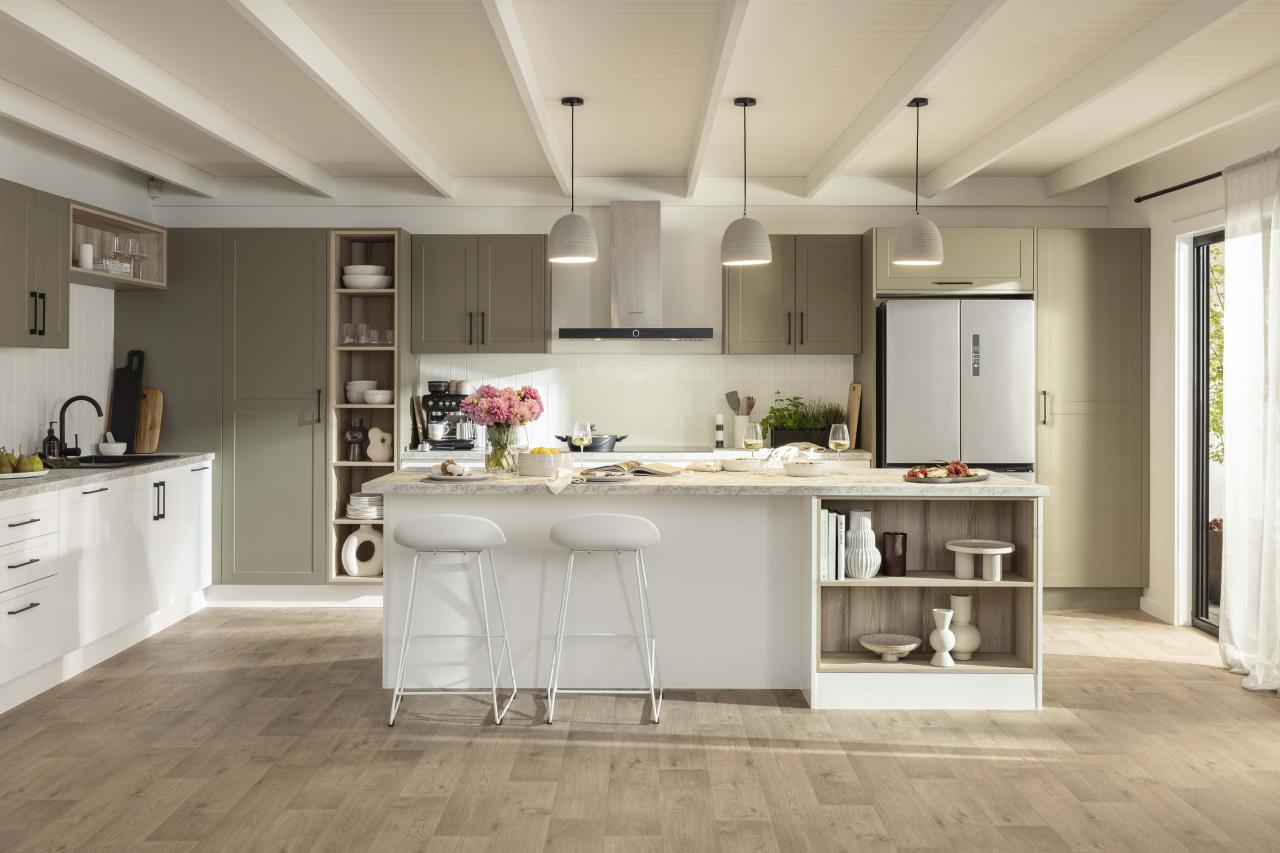
In conclusion, DIY Kitchens: How to Achieve a Designer Look on a Modest Budget provides a roadmap for revamping your kitchen space with flair and creativity while being mindful of your expenses. By following the suggestions Artikeld in this guide, you can elevate your kitchen design without straining your wallet.
Question & Answer Hub
What are some benefits of creating a DIY kitchen?
Creating a DIY kitchen allows for personalization, cost savings, and a sense of accomplishment.
Where can I find budget-friendly materials for a DIY kitchen renovation?
You can explore options at local home improvement stores, online marketplaces, or even salvage yards for affordable materials.
How can I maximize space in a small kitchen?
Utilize vertical storage solutions, declutter regularly, and opt for multifunctional furniture to make the most of limited space.
What are some trendy design elements that can be incorporated into a DIY kitchen on a budget?
Consider adding statement lighting fixtures, using bold colors or patterns sparingly, and incorporating natural elements like wood or plants for a modern touch.
What tools are essential for a successful DIY kitchen renovation?
Basic tools like a drill, screwdriver, level, measuring tape, and safety gear are crucial for a smooth renovation process.