


Delving into Top Materials for DIY Kitchens: Choosing Durability Without the Designer Price Tag, this introduction immerses readers in a unique and compelling narrative, with casual formal language style that is both engaging and thought-provoking from the very first sentence.
The content of the second paragraph that provides descriptive and clear information about the topic
Top Materials for DIY Kitchens
When embarking on a DIY kitchen project, selecting durable materials is crucial for long-lasting results that can withstand the wear and tear of daily use. Choosing the right materials not only ensures the longevity of your kitchen but also helps you achieve a high-end look without breaking the bank.
Key Factors to Consider when Selecting Materials
Before diving into your kitchen renovation, consider key factors such as durability, maintenance requirements, cost-effectiveness, and aesthetic appeal. These factors will guide you in making informed decisions that suit your needs and budget.
Durability Comparison of Commonly Used Materials
- Quartz Countertops: Known for their durability and resistance to stains, scratches, and heat, quartz countertops are a popular choice for DIY kitchens.
- Butcher Block: Ideal for adding warmth and a natural touch to your kitchen, butcher block countertops require regular maintenance to prevent scratches and water damage.
- Tile Backsplash: Easy to clean and durable, tile backsplashes are a cost-effective option that allows for endless design possibilities.
- Laminate Flooring: Affordable and available in a variety of styles, laminate flooring is a durable choice for high-traffic areas in your kitchen.
Cost-Effective Alternatives to Designer Materials
- Engineered Stone: A budget-friendly alternative to natural stone, engineered stone countertops offer durability and a wide range of colors and patterns.
- Vinyl Flooring: Resilient and easy to maintain, vinyl flooring mimics the look of hardwood or tile at a fraction of the cost.
- Ceramic Tile: With its durability and versatility, ceramic tile is a cost-effective option for kitchen floors, backsplashes, and countertops.
Choosing Durability Over Designer Price Tag
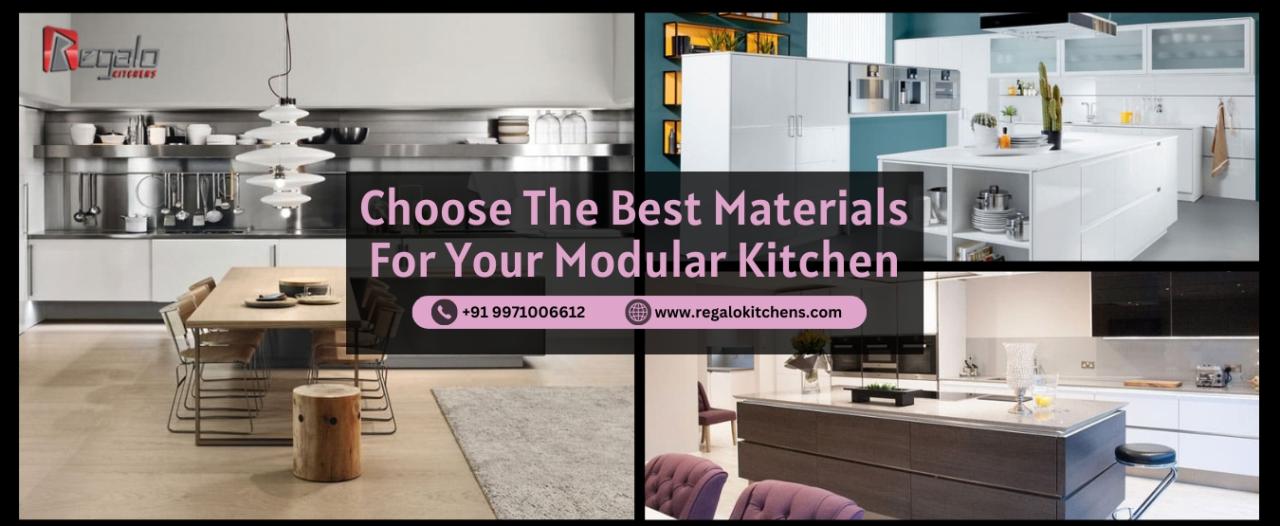
When it comes to renovating a kitchen, durability is a key factor to consider. Opting for materials that offer longevity without breaking the bank can make a significant difference in the overall cost and maintenance of your kitchen.
Materials Offering Durability Without the High Cost
- Laminate Countertops: Affordable and resistant to stains and scratches, laminate countertops are a popular choice for budget-friendly kitchens.
- Vinyl Flooring: Durable, easy to clean, and available in various designs, vinyl flooring is a cost-effective option for high-traffic kitchen areas.
- Medium-Density Fiberboard (MDF): MDF cabinets are sturdy, moisture-resistant, and more budget-friendly compared to solid wood cabinets.
Benefits of Opting for Durable Materials
Choosing durable materials for your kitchen renovation can lead to long-term cost savings. These materials are less likely to require frequent repairs or replacements, reducing maintenance expenses over time.
Durability’s Contribution to Longevity of Kitchen Design
By selecting durable materials, you ensure that your kitchen design remains intact and visually appealing for years to come. This longevity adds value to your home and eliminates the need for frequent updates or renovations.
Impact of Material Selection on Maintenance and Upkeep Costs
Investing in durable materials upfront can significantly reduce maintenance and upkeep costs in the long run. Materials that are resistant to wear and tear, stains, and moisture lessen the need for constant repairs and replacements, saving you time and money in the future.
Wood Materials for DIY Kitchens
Wood materials are a popular choice for DIY kitchen projects due to their natural beauty and versatility. However, not all wood types are created equal when it comes to durability and cost-effectiveness. Let's explore the different types of wood commonly used in kitchen renovations, along with their pros and cons.Types of Wood for DIY Kitchens
- Oak: Oak is a popular choice for kitchen cabinets and countertops due to its durability and classic look. It is relatively affordable and easy to work with, making it a great option for DIY projects.
- Maple: Maple is another common wood used in kitchens, known for its smooth grain and light color. While slightly more expensive than oak, it offers a sleek and modern aesthetic.
- Pine: Pine is a budget-friendly option for DIY kitchens, but it is softer than oak or maple, making it more prone to dents and scratches. It is best suited for less high-traffic areas in the kitchen.
Pros and Cons of Using Wood in Kitchen Renovations
- Pros:
- Natural and warm appearance
- Durable and long-lasting
- Can be refinished or painted to change the look
- Cons:
- Prone to scratches, dents, and water damage if not properly sealed
- Requires regular maintenance to preserve its beauty
Tips for Maintaining Wood Surfaces in a Kitchen
- Use cutting boards and trivets to protect wood surfaces from scratches and heat damage.
- Clean up spills immediately to prevent water damage and staining.
- Regularly apply a protective finish or sealant to keep wood surfaces looking their best.
Budget-Friendly Wood Alternatives for DIY Kitchens
- Laminate: Laminate countertops and cabinets mimic the look of wood at a fraction of the cost. They are easy to clean and maintain, making them a practical choice for budget-conscious DIYers.
- Engineered Wood: Engineered wood products, such as plywood and MDF, offer the look of real wood at a lower price point. They are durable and versatile, making them ideal for DIY kitchen projects.
Laminate and Composite Materials
When it comes to DIY kitchens, laminate and composite materials are popular choices due to their durability, affordability, and versatility. These materials offer a practical solution for those looking to achieve a designer look without the hefty price tag.Advantages of Laminate and Composite Materials
- Laminate and composite materials are highly durable and resistant to scratches, stains, and moisture, making them ideal for kitchen surfaces that endure heavy use.
- These materials are easy to clean and maintain, requiring minimal effort to keep them looking like new.
- Laminate and composite surfaces come in a wide range of colors, patterns, and finishes, allowing for endless design possibilities to suit any style preference.
Installing Laminate or Composite Surfaces
- Before installing laminate or composite surfaces, ensure that the existing countertops are clean, level, and free of any debris.
- Measure and cut the material to fit the dimensions of your kitchen countertops, leaving enough overhang for a seamless finish.
- Use a high-quality adhesive to secure the laminate or composite material to the countertops, ensuring a strong bond that will withstand daily use.
Selecting High-Quality Laminate or Composite Materials
- Choose laminate or composite materials from reputable manufacturers known for their quality and durability.
- Look for materials with a thick wear layer to ensure longevity and resistance to scratches and stains.
- Consider the design options available and select a finish that complements your overall kitchen aesthetic.
Design Options with Laminate and Composite Materials
- From sleek solid colors to realistic stone and wood textures, laminate and composite materials offer a wide range of design options to suit any kitchen style.
- Experiment with different patterns and finishes to create a unique look that reflects your personal taste and complements your kitchen decor.
- Combine different materials to add visual interest and create a custom look that sets your DIY kitchen apart from the rest.
Metal and Stainless Steel Options
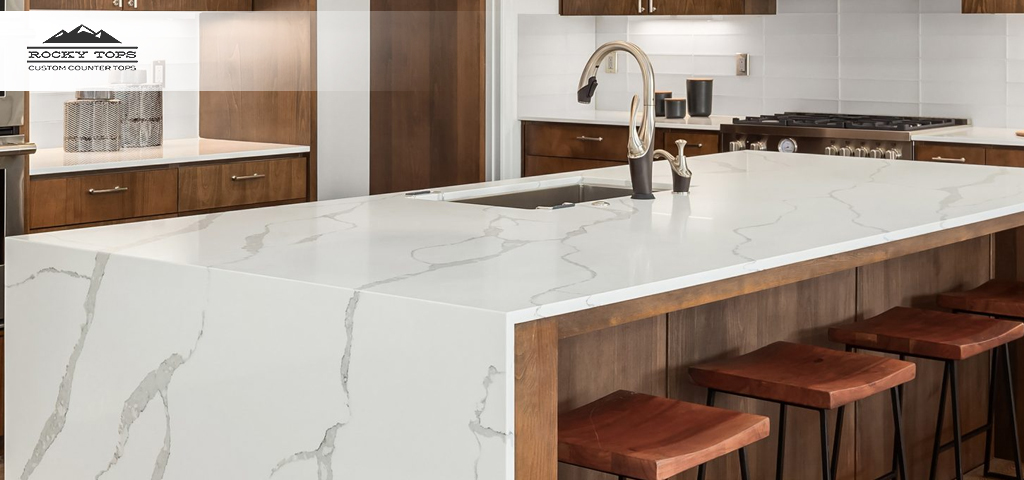 Metal and stainless steel elements can add a sleek and modern touch to any DIY kitchen design. They are known for their durability, resistance to heat and stains, and easy maintenance, making them popular choices for countertops, fixtures, and appliances.
Benefits of Incorporating Metal or Stainless Steel Elements
Metal and stainless steel elements can enhance the overall aesthetic of a kitchen by providing a clean and polished look. They also offer great durability, making them ideal for high-traffic areas like the kitchen. Additionally, these materials are resistant to heat, stains, and water, making them easy to clean and maintain.Impact of Metal Finishes on the Overall Aesthetic
Metal finishes can create a modern and industrial vibe in a kitchen, adding a touch of sophistication and elegance. They can complement various design styles, from contemporary to minimalist, and can be paired with different color schemes to create a cohesive look.Durability of Different Metal Options
When it comes to kitchen countertops and fixtures, stainless steel is a popular choice due to its durability and resistance to corrosion. Other metal options like copper and zinc can also be used for countertops, adding a unique and luxurious touch to the kitchen. It's essential to consider the maintenance requirements and longevity of each metal option before making a decision.Creative Ways to Integrate Metal Elements
There are numerous creative ways to incorporate metal elements into a kitchen design. You can use stainless steel appliances, cabinet hardware, faucets, light fixtures, or even metal shelving to add a modern and industrial flair. Mixing metal finishes like stainless steel with brass or copper accents can create a visually appealing contrast in the kitchen.Ending Remarks
The content of the concluding paragraph that provides a summary and last thoughts in an engaging manner
Questions and Answers
What are some cost-effective alternatives to high-end designer materials?
One cost-effective alternative is using laminate or composite materials that offer durability without the high cost. Another option is to explore budget-friendly wood alternatives for DIY kitchen projects.
How does durability contribute to the longevity of a kitchen design?
Durability ensures that the materials used in the kitchen can withstand daily wear and tear, maintaining the aesthetic and functionality of the space for a longer period.
What are the benefits of incorporating metal or stainless steel elements in a DIY kitchen?
Metal or stainless steel elements add a modern and sleek look to the kitchen, are easy to clean, and provide durability in high-traffic areas.